Freight operators should prepare for the likelihood of higher fuel surcharges following a significant increase in global oil prices amid further instability across the Middle East.
Over the past two to three weeks, hostilities between Yemen’s Houthi movement and Saudi-backed forces have escalated. Missile and drone attacks have been launched against targets in southern Saudi Arabia, including energy facilities, with Saudi and Yemeni forces responding through retaliatory air strikes.
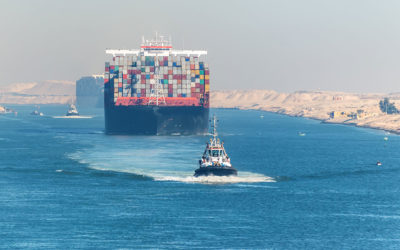
Meanwhile, Houthi advances along Yemen’s western coastline have placed the group closer to the Bab el-Mandeb Strait. Connecting the Red Sea and Gulf of Aden, this strategically important waterway carries international shipping and energy supplies between Asia and Europe.
Oil markets have faced additional pressure following an attack attributed to a separate Iran-backed militia on Saudi Arabia’s East–West Pipeline. The route carries oil from the country’s main production areas to the Red Sea, providing an alternative when exports through the Strait of Hormuz are restricted.
Concerns surrounding oil supplies and the security of both major shipping routes have pushed Brent crude to approximately $108 per barrel—around 15% higher than three weeks ago.
The consequences will extend throughout international logistics. Airlines, shipping lines and road hauliers all operate fuel-adjustment mechanisms designed to recover rising costs, potentially increasing air, ocean and road freight charges.
These adjustments usually lag behind oil-market movements because they are based on earlier reference periods. The latest increase could therefore take another two to three weeks to feed through fully into freight rates.
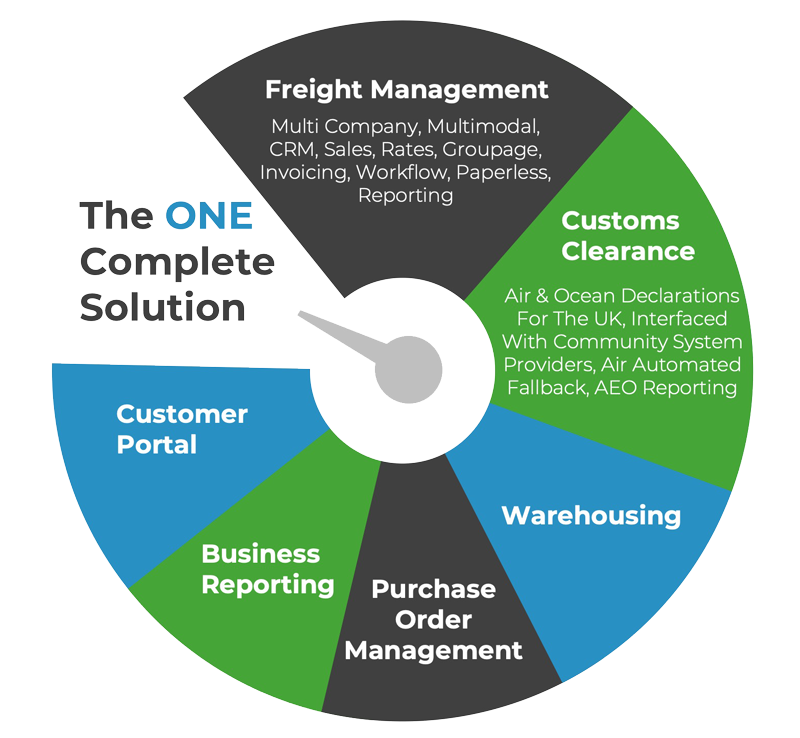
MultiFreight’s freight-management software helps forwarders maintain visibility over changing costs, update tariffs and surcharges, and apply accurate charges across their operations as market conditions evolve.