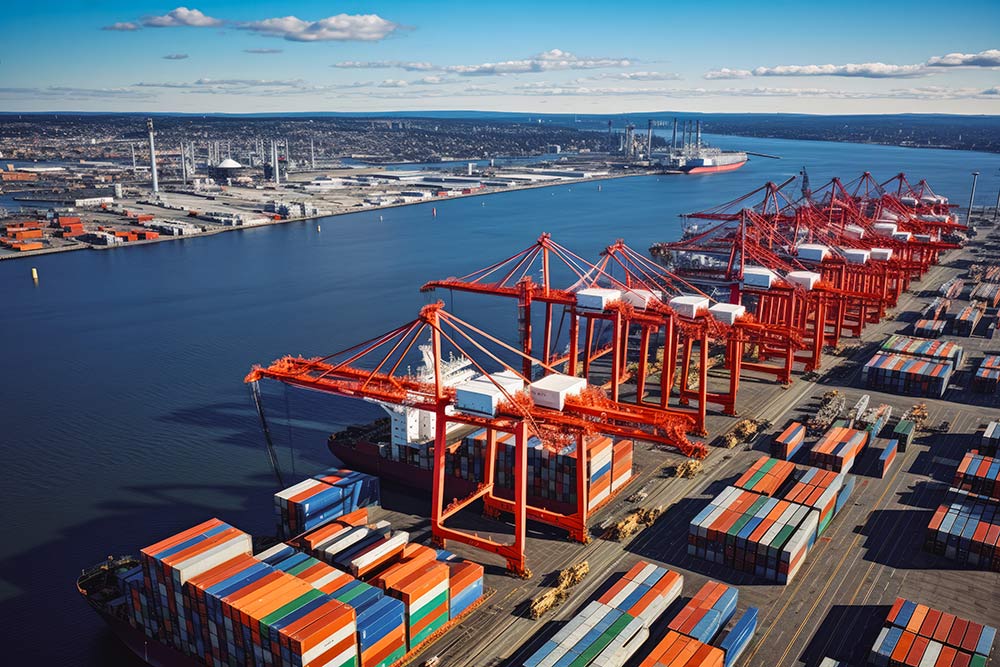
Port congestion remains a major threat to global supply chains, with Northern Europe’s key gateways facing renewed strain from peak-season volumes.
The region has been struggling with persistent congestion for months. Delayed vessel arrivals continue to throw schedules off balance, while container yards are operating at maximum capacity.
Strong demand on the Asia–Europe trade lane – up by double digits this year – has intensified the seasonal import surge, leaving carriers and shippers bracing for disruption that is likely to extend well into the autumn.
The heaviest bottlenecks are concentrated at London Gateway, Antwerp, Hamburg, and Rotterdam. Antwerp and Hamburg face the added complication of low river levels, which are restricting barge services and causing significant delays to inland waterway transport.
In Hamburg, the situation worsened this week when a large port fire forced the closure of major access roads, further choking cargo flows.
In response to the mounting issues, carriers have been adjusting strategies by rerouting volumes to alternative hubs such as Le Havre, Zeebrugge, Bremerhaven, and Wilhelmshaven. Although these diversions provide some relief, congestion across Europe’s wider container network remains acute.
With conditions unlikely to ease quickly, supply chain stakeholders should expect ocean freight disruption to remain an unwanted feature of the market for the foreseeable future.