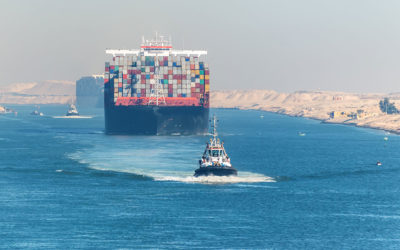
Port congestion at global ports and container terminals has become a significant obstacle for ocean freight services, causing widespread disruptions and delays across global supply chains.
In the UK, London Gateway Port is particularly struggling right now, following a series of unrelated incidents that have combined to strain the port’s efficiency and capacity.
However, this issue is not limited to the UK. Port congestion has emerged as a global problem, as many ports struggle to manage the growing demands of Ultra Large Container Vessels (ULCVs).
Several other factors are contributing to the congestion crisis; including increased demand, labour disputes, severe weather conditions, equipment shortages, outdated infrastructure and limited storage capacity.
Furthermore, unreliable sailing schedules are exacerbating the problem and resulting in unpredictable arrival times.
Among the worst affected ports at the moment are:
UK & Europe: Antwerp, Bremerhaven, Felixstowe, Hamburg, London Gateway, Southampton, Rotterdam.
Asia: Busan, Guangzhou, Hong Kong, Ningbo, Qingdao, Shanghai, Singapore, Yokohama.
USA: Long Beach, Los Angeles, New York, Savannah.
Rest of the World: Cape Town, Manzanillo, Vancouver.
Until infrastructure improvements are made, congestion looks set to remain a global challenge.